
Autism Learning Center Opens Doors in Sturbridge, MA with Ribbon Cutting Celebration

BCI welcomes families to their new location.

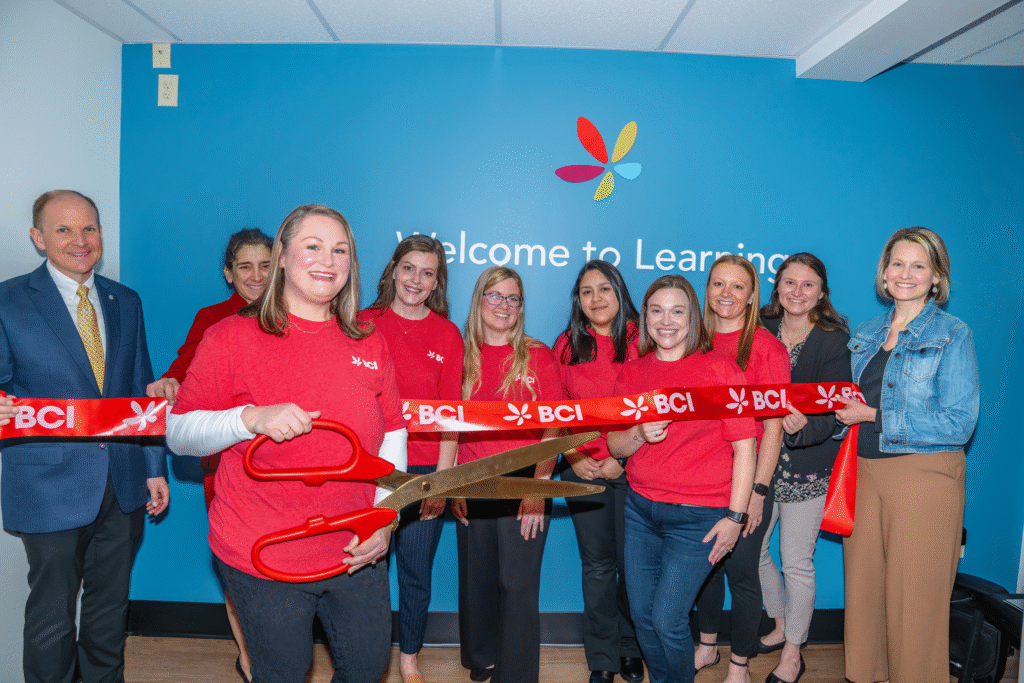
Behavioral Concepts (BCI), a provider of LEARN Behavioral, officially opened its doors with a ribbon-cutting ceremony at its new Sturbridge Learning Center, 179 Main Street, Suite 2, Sturbridge, MA 01566.

A ribbon-cutting ceremony hosted by the Worcester Regional Chamber of Commerce was held on March 26, 2026.

During the ceremony, State Representative Todd Smola and Amanda Hellyar, District Director for Senator Ryan Fattman, shared greetings and remarks. Erika Burrows, President of the Worcester Regional Chamber of Commerce, and Town Administrator Robin Grimm also shared remarks.

Members of the Worcester Regional Chamber of Commerce and other guests were in attendance.

Ribbon-cutting attendees were able to tour the facility, enjoy light refreshments, and meet BCI’s leadership team, Annaleisa Delgado, BCBA, LABA, Regional Clinical Director, and Tiffany Zayas, M.S., BCBA, LABA, Senior Regional Clinical Director.

“We’re proud to bring compassionate, high-quality ABA therapy to families in the greater Sturbridge area,” said Annaleisa Delgado. “At BCI, we tailor our services to each child and family—offering age-appropriate, engaging learning experiences rooted in science and guided by care.”

BCI is Sturbridge’s premiere contemporary applied behavior analysis (ABA) provider of center-based autism services for children ages 1-12 years. The Sturbridge Learning Center provides center-based ABA therapy, parent education, diagnostics, Early Intervention, and Social Skills Programs. Outside of the center, the Sturbridge team offers in-home ABA therapy.

Delgado continued, “Our new space was designed to support both individual growth and peer collaboration. It’s a place where children can gain essential skills—and where their journey toward success in school and life begins. We’re honored to be part of this community and grateful to offer life-changing services right here in Sturbridge.”

Left to right: State Representative Todd Smola; Robin Grim, Town Administrator; Annaleisa Delgado, Regional Clinical Director of the Sturbridge Learning Center (cutting the ribbon); Britney Catron; Amanda Robitaille; Irene Barajas; Tiffany Zayas; Makenzie Holm-Brien; Amanda Hellyar, District Director for Senator Fattman; and Erika Burrows, President of the Worcester Regional Chamber of Commerce

No Waitlist, Flexible Hours, and Convenient Location

The Sturbridge Learning Center offers after-school treatment hours to accommodate busy family schedules. There is no waitlist. The center is conveniently located near Old Sturbridge Village, I-84, and US-20, and easily accessible for families in the region.

For more information or to enroll a child at the Sturbridge Learning Center, call 508-363-0200 or visit https://bciaba.com/locations/sturbridge

About BCI

BCI, part of the LEARN Behavioral network, is one of the nation’s leading providers of compassionate autism care. For more than 20 years, BCI has been delivering evidence-based services, helping children with autism find success and reach their unique potential.

In addition to the Sturbridge Learning Center, BCI has existing Learning Centers in Beverly, Brockton, Fitchburg, Framingham, Lawrence, Littleton, Lowell, New Bedford, Newton, Springfield, Taunton, Wilmington, two locations in Worcester, MA, and one location in Nashua, NH.

About LEARN Behavioral

LEARN Behavioral is a national leader in autism treatment, offering comprehensive diagnostic services and contemporary applied behavior analysis (ABA) therapy for children with autism spectrum disorder (ASD). With a nationwide network of ABA providers and more than 100 Learning Centers across the country, LEARN delivers the highest standard of evidence-based care—customized to meet the unique needs and interests of each child and family. For more information, visit learnbehavioral.com.

Making the Most of Summer Break by Building Essential Skills

As the school year draws to a close, summer break ushers in a bit of a recess for parents — a hiatus from packed lunchboxes, school runs, and homework.

For families with children with autism, though, summer break can also mean disruption to your routine. It can create a lack of social interaction, and it can mean there are more demands on your time as a parent.

Here’s where you can turn those challenges around. Summer doesn’t have to be a lull in the progress your child with autism has been making all year. All you need is a strategy to leverage summer break to be a time to help your child build essential skills.

That starts with setting clear goals, creating a new routine, and incorporating skill-building into fun activities. But how do you do that?

Look for Structured, Play-Based Programs

The first step is to find a program that can keep your child engaged in social activities. Providers in cities across the country offer structured, play-based social skills programs. These programs are crafted with children in mind, aiming to bolster key skills such as socializing, communication, cognition, and sensory perception — all through the power of play.

These summer programs often take place in play-based, group settings, mirroring the school environment, but with the added benefit of one-on-one support. They foster collaboration and inclusion, often welcoming siblings to join, too.

Building a More Trusting Environment

Next, make sure your child is engaged in the process. In the world of applied behavior analysis (ABA), behavior technicians and behavior analysts lead summer social skills programs and promote group activities that help children build friendships.

Programs group children of similar age and skill level and include age-appropriate games and activities. This helps them to learn and communicate effectively.

You might hear your ABA provider using terminology like taking an “assent-based practice.” That’s an approach that focuses on making sure your child agrees to participate in treatment. Using an assent-based practice, therapists encourage children in the program to step out of their comfort zone and try new things. This approach is person-centered and fosters a safer and more trusting environment.

Staying Active to Prevent the ‘Summer Slide’

The “summer slide” refers to the learning loss students experience during summer breaks. Social skills programs for children with autism can play a crucial role in preventing the “summer slide” by promoting continuous growth and development.

These strategies can turn summer break challenges into opportunities to:

  • Build a consistent routine: A summer social skills program that provides a consistent daily schedule is often comforting to children with autism.
  • Help your child retain skills: By continually practicing social skills throughout the summer, your child can retain and even improve upon the skills they learned during the school year.
  • Encourage peer Interaction: Summer programs offer opportunities for social interaction with peers, which is critical for building friendships.
  • Foster personal growth: Summer social skills programs can boost self-esteem and confidence by providing opportunities for success and achievement.
  • Give you a respite: Summer programs can also provide parents with a much-needed break, allowing you to recharge while knowing your child is in a safe and nurturing environment.

Summer break can be more than just a pause from school. With the right approach and resources, it can be a valuable opportunity for your child with autism to continue their development and build essential skills.

By integrating structured play-based programs into your summer routine, you can foster a trusting environment that encourages personal growth and social interaction, while also providing a much-needed respite for you as a parent.

So, view this summer not as a challenge, but as a chance to fuel your child’s progress, further nurturing their unique potential.

Click here for more ideas on making the most of summer.