What is the MassABA Annual Conference?

The MassABA Annual Conference is the flagship event of the Massachusetts Association for Applied Behavior Analysis (MassABA), a trade organization representing the interests of behavior analysts across the Commonwealth. Founded in 2010, MassABA is an affiliated chapter of the Association for Behavior Analysis International (ABAI) and is dedicated to providing educational opportunities and advocacy for professionals who provide behavior-analytic services in any capacity.

Each year, the MassABA Annual Conference brings together behavior analysts, educators, researchers, and ABA service providers from across Massachusetts and beyond for a full day of professional development, continuing education, and community. The conference is the signature connection between MassABA and its more than 1,100 members — and has historically drawn over 700 participants.

Massachusetts is home to one of the highest concentrations of certified behavior analysts per capita in the world, with more than 4,500 BACB-certificants in the Commonwealth. The MassABA Annual Conference reflects the depth of the professional community, offering a focused, content-rich event that speaks directly to the issues shaping ABA practice in Massachusetts.

When is the MassABA Annual Conference?

The MassABA Annual Conference is typically held each spring, most often in May. The event is generally held at the Best Western Royal Plaza Hotel and Trade Center in Marlborough, Massachusetts, a centrally located venue accessible from Boston and across the Commonwealth. 

Attendees are encouraged to check the official MassABA events page for the most current schedule and registration details.

What Does LEARN Behavioral Do at MassABA?

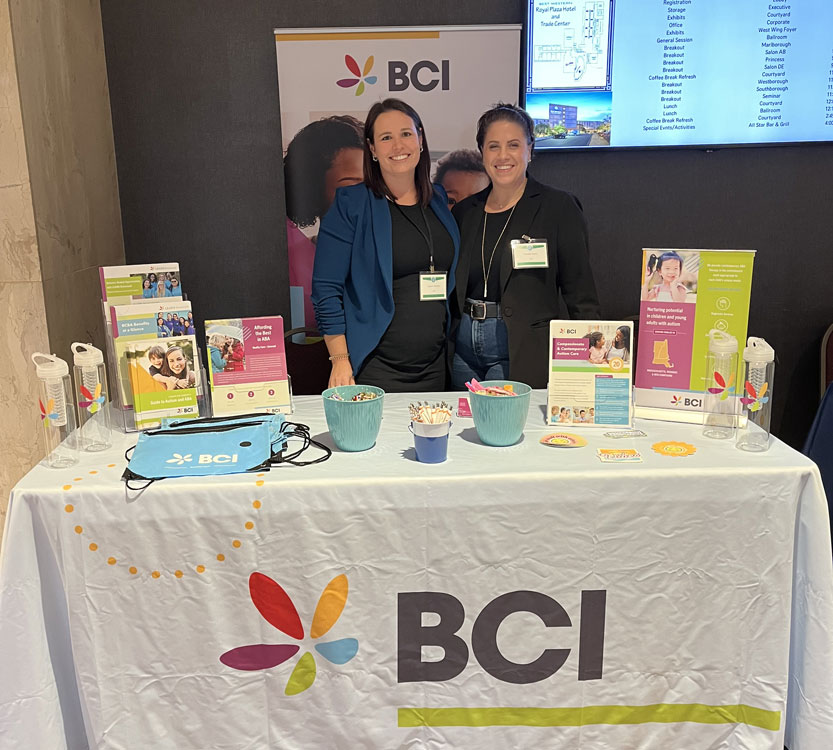
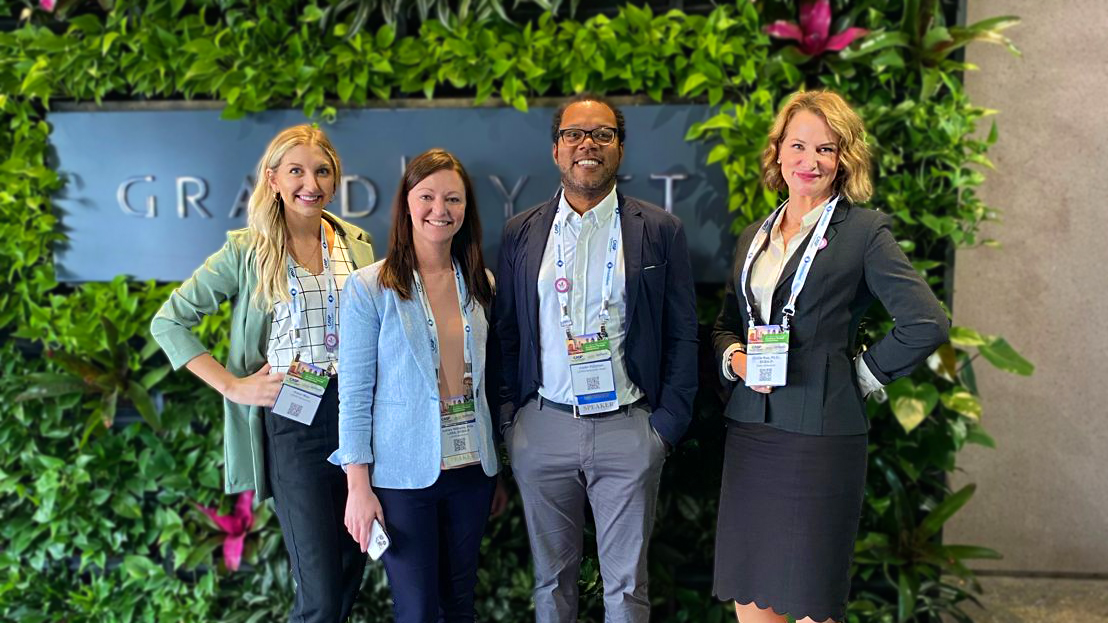
LEARN Behavioral participates in the MassABA Annual Conference as part of its commitment to the behavior analysis community in Massachusetts and the broader New England region. The LEARN team attends the conference each year to engage with the clinical, legislative, and professional issues shaping ABA practice in the Commonwealth, connect with fellow providers, and contribute to the community of behavior analysts who serve children and families across Massachusetts.

At the MassABA Annual Conference, LEARN Behavioral typically:

  • Connects with BCBAs, educators, and ABA service providers across Massachusetts to share insights and best practices
  • Engages with sessions focused on Massachusetts-specific legislative updates, insurance policy, and licensure
  • Explores emerging research and clinical practice developments relevant to LEARN’s work with children with autism
  • Supports career development opportunities for behavior analysts seeking to grow within a national ABA organization
  • Participates in exhibiting and networking opportunities to share LEARN’s services and clinical approach with the Massachusetts ABA community

LEARN Behavioral’s involvement in the MassABA Annual Conference reflects its commitment to being an active, contributing member of the behavior analysis community in every state where it operates — not just a service provider, but a genuine participant in the professional ecosystem.

Who Attends the MassABA Annual Conference?

The MassABA Annual Conference draws a broad cross-section of the Massachusetts behavior analysis community. Attendees typically include:

  • Licensed applied behavior analysts (LABAs) practicing in Massachusetts
  • Board certified behavior analysts (BCBAs) and BCBA-Ds
  • Board certified assistant behavior analysts (BCaBAs)
  • Registered behavior technicians (RBTs)
  • BCBAs working in public school settings across the Commonwealth
  • Graduate students and doctoral candidates in ABA programs
  • University faculty and researchers
  • ABA therapy organizations and autism service providers
  • Special education teachers and school administrators
  • Advocates and policy professionals engaged with Massachusetts ABA legislation
  • Representatives from insurance companies and state agencies involved in ABA coverage

MassABA’s membership structure includes full members (licensed applied behavior analysts in Massachusetts), associate members (practitioners from other states, related professionals, and family or community members), and student members, making the conference welcoming to professionals at every stage of their career.

Topics Discussed at the MassABA Annual Conference

What makes the MassABA Annual Conference distinct from broader national events is its grounding in the specific legislative, regulatory, and clinical realities of practicing behavior analysis in Massachusetts. Sessions consistently address the issues that matter most to BCBAs and ABA organizations operating in the Commonwealth.

Key topics consistently featured at the MassABA Annual Conference include:

  • Massachusetts LABA licensure updates and the independent licensing board
  • Insurance coverage requirements and advocacy for ABA services in the Commonwealth
  • Compliance, audits, recoupments, and fraud prevention for ABA providers
  • ABA in public school settings and supports for BCBAs working in Massachusetts school districts
  • Evidence-based intervention and clinical best practices
  • Diversity, equity, inclusion, and belonging (DEIB) in behavior analysis
  • Ethics in ABA practice and supervision
  • Telehealth delivery of ABA services and insurance coverage updates
  • Research trends and innovations across autism services
  • Staff supervision, training, and workforce development
  • Expanding access to ABA services for people of all ages and abilities in Massachusetts

Past featured presenters have included nationally recognized figures such as Dr. Robert Horner, Alumni-Knight Endowed Professor of Special Education, alongside Massachusetts-based clinicians and policy experts who have addressed the most pressing issues facing local practitioners.

Why Should You Attend the MassABA Annual Conference?

For behavior analysts and ABA professionals practicing in Massachusetts, the MassABA Annual Conference offers a level of local relevance and practical applicability that broad national conferences cannot replicate. Specific reasons to attend include:

  • Stay current on Massachusetts-specific licensure, insurance, and legislative developments that affect your practice
  • Earn CEUs included with your registration at no additional cost
  • Connect with over 700 fellow behavior analysts and ABA professionals from across the Commonwealth
  • Engage with sessions on public school ABA, a unique and growing area of practice in Massachusetts
  • Explore exhibitor and sponsor opportunities relevant to the Massachusetts ABA market
  • Participate in a focused, single-day format designed to fit the schedule of working clinicians
  • Contribute to the advocacy efforts that shape the future of ABA practice in Massachusetts

Highlights from Past MassABA Conferences

Since its founding in 2010, MassABA has built a track record of delivering a high-quality annual conference that addresses the issues facing behavior analysts in Massachusetts. Consistently drawing more than 700 attendees, the conference has evolved alongside the Commonwealth’s ABA community.

Past MassABA Annual Conference highlights include:

  • Sessions on Massachusetts insurance mandate laws and ABA coverage, including practical guidance on responding to recoupments, audits, and fraud investigations
  • Featured presentations from nationally recognized researchers and clinicians, including Dr. Robert Horner of the University of Oregon
  • Updates from MassABA’s legislative committee on the ongoing effort to create an independent licensing board for behavior analysts in Massachusetts
  • Dedicated content for BCBAs working in public school districts, addressing some of the most complex and underserved practice contexts in the Commonwealth
  • DEIB-focused programming and MassABA’s active Diversity, Equity, Inclusion, and Belonging committee initiatives
  • Continuing education (CE) series and workshops on successful ABA service delivery, telehealth, and expanding access to services

MassABA Annual Conference Key Takeaways

  • The MassABA Annual Conference is the signature annual event of the Massachusetts Association for Applied Behavior Analysis, serving more than 1,100 members and drawing over 700 attendees each spring
  • MassABA was founded in 2010 and is an affiliated chapter of ABAI, with a mission to support the science and practice of behavior analysis in Massachusetts
  • The one-day format delivers a focused, high-value experience, including keynote programming, exhibiting, networking, and CEUs included with registration
  • Topics reflect the specific legislative, regulatory, and clinical landscape of practicing ABA in Massachusetts, including licensure, insurance, public school settings, and DEIB
  • LEARN Behavioral participates in the MassABA Annual Conference as an active member of the Massachusetts ABA community

FAQs: What People Ask About the MassABA Annual Conference

What is MassABA?

MassABA, the Massachusetts Association for Applied Behavior Analysis, is a trade organization founded in 2010 to represent the interests of behavior analysts in Massachusetts. 

It is an affiliated chapter of the Association for Behavior Analysis International (ABAI) and serves more than 1,100 members across the Commonwealth. MassABA advocates on legislative and insurance issues, supports professional development, and hosts an annual conference as the centerpiece of its membership community.

What is the difference between MassABA and BABAT?

Both MassABA and BABAT (Massachusetts Professionals in Behavior Analysis) are Massachusetts-based ABA organizations, but they serve distinct purposes. Many Massachusetts behavior analysts are members of both organizations. The MassABA Annual Conference is typically a single-day spring event, while BABAT’s conference spans multiple days in the fall.

MassABA functions as a trade organization focused on advocacy, licensure, and insurance policy — representing behavior analysts’ professional and regulatory interests at the state level. BABAT operates as a chapter-based professional community with a broader clinical and research focus, hosting a multi-day annual conference each fall. 

What does LABA stand for, and what does MassABA have to do with it?

LABA stands for Licensed Applied Behavior Analyst. It is the state license required to practice behavior analysis in Massachusetts. MassABA has been a leading advocate for strengthening the LABA licensure process in the Commonwealth, including ongoing efforts to establish an independent licensing board comprised exclusively of behavior analysts, rather than a multi-disciplinary board. 

The MassABA Annual Conference regularly includes sessions covering licensure updates, and MassABA works directly with state legislators on ABA-related bills.

Is MassABA affiliated with ABAI?

Yes. MassABA is an affiliated chapter of the Association for Behavior Analysis International (ABAI), the world’s largest professional organization dedicated to the science and practice of behavior analysis. 

This affiliation reflects MassABA’s commitment to upholding the standards and values of the broader behavior analysis field while addressing the specific needs of behavior analysts practicing in Massachusetts.

What membership types does MassABA offer?

MassABA offers three membership levels. Full membership is available to licensed applied behavior analysts (LABAs) in Massachusetts. Associate membership is open to practicing behavior analysts who are not licensed in Massachusetts, professionals from related fields, and family or community members. 

Student membership is available for undergraduate or graduate students enrolled in ABA or related programs and is offered at a nominal annual fee. Organizations providing ABA services can become MassABA Organizational Sponsors and receive benefits, including discounted employee registrations for the annual conference and exhibitor access.

What is MassABA’s Public School Committee?

MassABA’s Public School Committee focuses specifically on the needs of BCBAs working in Massachusetts public school districts — one of the most complex and rapidly growing practice contexts in the state. 

The committee partners with ACCEPT Collaborative to host a monthly Professional Practices Symposium for behavior analysts working in public schools, running throughout the school year. 

The annual conference includes dedicated sessions addressing the unique challenges facing school-based BCBAs across the Commonwealth, including supervision structures, Individualized Education Plan (IEP) collaboration, and ethical practice in educational settings.

How does MassABA support insurance advocacy for ABA providers?

MassABA has been an active advocate for expanding and protecting insurance coverage for ABA services in Massachusetts. The organization has worked to inform its membership about ABA insurance mandate laws, the provider’s evolving role in the insurance landscape, and how to navigate audits, recoupments, and claim denials. 

It has also collaborated with state insurance representatives, BABAT, and other stakeholders to push for timely reimbursement and fair coverage standards. The annual conference regularly features sessions on insurance policy and compliance in response to member needs.

How is the MassABA Conference different from ABAI or BABAT?

The ABAI Annual Convention is a global event covering the full breadth of behavior analysis science and practice across dozens of countries. BABAT’s conference is a multi-day regional event with a strong clinical and research focus, held each fall in Massachusetts. 

The MassABA Annual Conference is a single-day spring event with a distinctly Massachusetts-centric lens, prioritizing licensure updates, state insurance policy, public school ABA, and advocacy for the Commonwealth’s behavior analyst community. It is the most locally focused ABA conference available to Massachusetts practitioners.

New Autism Learning Center Opens Doors in Quincy, MA

No Waitlist for Families in Norfolk County Area

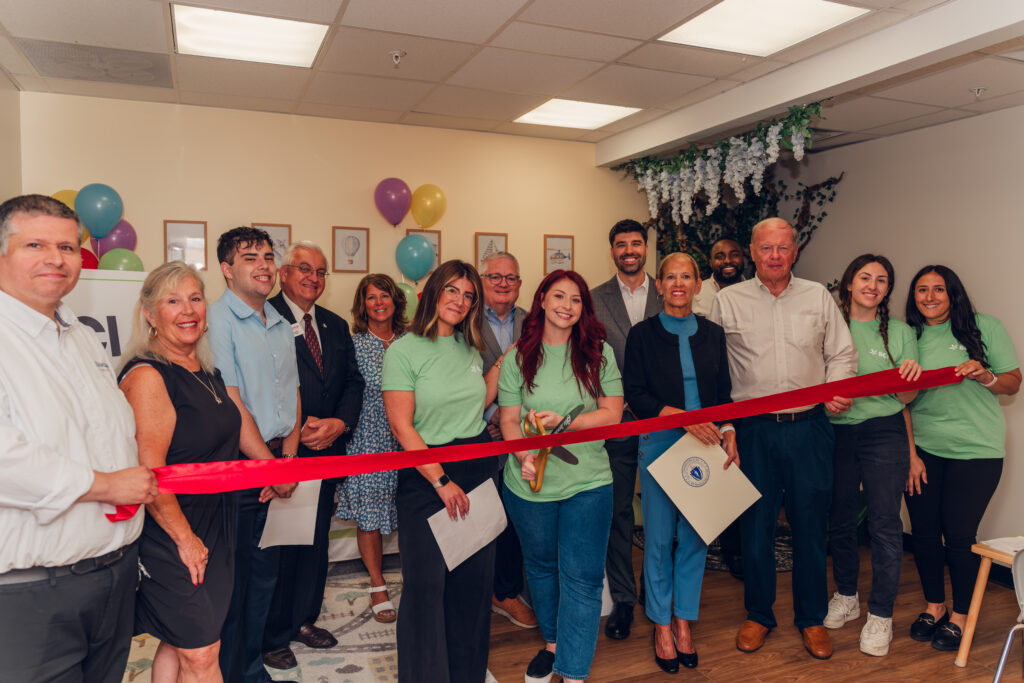
Behavioral Concepts (BCI), a provider of LEARN Behavioral, is proud to announce the opening of its new location at 8 Hancock Court, Quincy, MA 02169.

BCI is a leading contemporary applied behavior analysis (ABA) provider of center-based services for children with autism and Down syndrome. The Quincy Learning Center provides Early Intervention, diagnostic evaluations for autism, center-based and in-home ABA therapy to children with autism ages 2-6, and after-school programming for older children. It also offers center-based and in-home ABA therapy for individuals with Down syndrome, up to age 21.

“We are excited to have the opportunity to partner with South Shore families,” said Katie Corey, M.S., LABA, BCBA, Senior Regional Clinical Director. “We value being a part of the Quincy community and look forward to helping find success for every child in our care.” 

Key Features of the Quincy Learning Center:

  • Large facility that includes an indoor gross motor space for physical and social development, as well as an art room and a teaching kitchen for children.
  • ABA therapy, which includes a learning-rich environment, unique play-based learning spaces, and one-on-one support.
  • No waitlist and flexible treatment hours to accommodate busy family schedules.
  • Serving children 2-15 years old with personalized therapy plans.
  • Conveniently located near I-93 and easily accessible to public transportation.

The center is now enrolling new clients throughout the South Shore with no waitlist and flexible treatment hours.

About BCI

BCI, part of the LEARN Behavioral network, is one of the nation’s leading providers of compassionate autism care. For more than 20 years, BCI has been delivering evidence-based services, helping children with autism and Down syndrome find success and reach their unique potential.

In addition to the Quincy Learning Center, BCI has existing center-based ABA therapy Learning Centers in Beverly, Brockton, Fall River, Fitchburg, Framingham, Lawrence, Littleton, Lowell, Newton, New Bedford, Springfield, Taunton, Wilmington, two locations in Worcester, MA, and a location in Nashua, NH.

For more information or to enroll a child at the Quincy Learning Center, call (508) 363-0200 or visit https://bciaba.com/locations/quincy

About LEARN Behavioral

LEARN Behavioral is a national leader in autism treatment, offering comprehensive diagnostic services and contemporary applied behavior analysis (ABA) therapy for children with autism spectrum disorder (ASD). With a nationwide network of ABA providers and more than 100 Learning Centers across the country, LEARN delivers the highest standard of evidence-based care—customized to meet the unique needs and interests of each child and family. For more information, visit learnbehavioral.com.

New Autism Learning Center Opens Doors in Fall River, MA

No Waitlist for Families in Bristol County Area

Behavioral Concepts (BCI), a provider of LEARN Behavioral, is proud to announce the opening of its new location at 1151 Robeson St., Suite 101, Fall River, Massachusetts 02720.

BCI is a leading contemporary applied behavior analysis (ABA) provider of center-based services for children with autism and Down syndrome. The Fall River Learning Center provides Early Intervention, center-based and in-home ABA therapy, diagnostic services, and parent education to children with autism ages 2-6. It also offers center-based and in-home ABA services for individuals with Down syndrome, up to age 21.

“We are excited to have the opportunity to partner with families in the South Coast region,” said Aerin Parish-Toscano, MS, BCBA, LABA, Regional Clinical Director. “We value being a part of the Fall River community and look forward to helping find success for every child in our care.” 

Key Features of the Fall River Learning Center:

  • Large facility which includes an indoor gross motor space for physical and social development, as well as a dedicated family meeting/treatment guidance room for parent participation.
  • ABA therapy, which includes a learning-rich environment, unique play-based learning spaces, and one-on-one support.
  • Access to nearby public playground.
  • No waitlist and in-home afternoon and weekend services to accommodate busy family schedules.
  • Serving children 2- 6 years old with autism with personalized therapy plans.
  • Conveniently located near I-195 and Route 24.

The center is now enrolling new clients based in Berkley, Dartmouth, Dighton, Fall River, Freetown, Somerset, Swansea, and Westport with no waitlist and flexible treatment hours.

A ribbon-cutting ceremony will be held in the spring.

About BCI

BCI, part of the LEARN Behavioral network, is one of the nation’s leading providers of compassionate autism care. For more than 20 years, BCI has been delivering evidence-based services, helping children with autism and Down syndrome find success and reach their unique potential.

In addition to the Fall River Learning Center, BCI has existing center-based ABA therapy Learning Centers in Beverly, Brockton, Fitchburg, Framingham, Lawrence, Littleton, Lowell, Newton, New Bedford, Springfield, Taunton, Wilmington, two locations in Worcester, MA, and a location in Nashua, NH.

For more information or to enroll a child at the Fall River Learning Center, call (508) 363-0200 or visit https://bciaba.com/locations/fall-river.

About LEARN Behavioral

LEARN Behavioral is a national leader in autism treatment, offering comprehensive diagnostic services and contemporary applied behavior analysis (ABA) therapy for children with autism spectrum disorder (ASD). With a nationwide network of ABA providers and more than 100 Learning Centers across the country, LEARN delivers the highest standard of evidence-based care—customized to meet the unique needs and interests of each child and family. For more information, visit learnbehavioral.com.

5 Tips for Navigating Autism Treatment for Your Multilingual Child

Language development is a critical component of the day-to-day lives of young children. It is used within a variety of contexts, including playing with peers, building relationships, functionally communicating needs, etc. As such, there is a heavy emphasis on language and communication built into most applied behavior analysis (ABA) programs. Because such a heavy emphasis is placed on language, it is important that practitioners are mindful of the specific language or languages that are incorporated in the therapeutic setting. The Association for Science in Autism Treatment recommends supporting  bilingualism for children with autism by encouraging family-centered, culturally sensitive language choices.

By promoting the use of the family’s native language, children have an increased likelihood of communication opportunities with their immediate and extended families, friends, and community. In addition to having more opportunities to communicate, the quality of the interactions will be more meaningful as caregivers are more likely to effectively express their own emotions, hold their child’s attention, and more thoroughly discuss topics of interest when using their native language (Zhou, et al., 2019). There are also benefits to multilingualism outside of the familial unit. Research has shown that children who are raised in multilingual homes tend to demonstrate higher perspective talking skills than children who do not (Zhou, et al., 2019). Despite all of the benefi ts to speaking one’s native language, families often face a number of barriers, especially when seeking out autism-related services.

While we live in a culturally diverse country, English remains the dominant language in most regions of the U.S. When children turn on the TV, chances are the shows they watch are in English. When they go to school, they will receive a primarily English education and their peers will speak primarily English. Autistic individuals who receive behavior analytic treatment in the U.S. are likely receiving those services in English. Despite all of these barriers, there are ways for parents and caregivers to advocate for their bilingual children and family.

1. Look for providers who speak your native language

One of the first measures to take when selecting a service provider is to request clinicians who speak your native language. Bilingual service providers can be hard to find and it may take time, but let your provider know your preference so they can attempt to hire and/or pair you with appropriate staff members.

2. Request translation services.

In cases where there are no staff members available to provide services in your native language, consider asking for translation services. Even if you are proficient in English, it may be easier or feel more comfortable for you to communicate in your native language. Per the Behavior Analyst Certification Board’s (BACB) Ethics Code for Behavior Analysts, the clinician you are working with should make every effort to effectively communicate with you and provide you with the opportunity to ask questions and participate in the development and implementation of your child’s program.

3. Consider the assessment language.

If your child speaks a language other than English, it is important to discuss the benefits of your child being assessed in that language. Providers use assessment results as a tool to guide the clinical program and decision making. Having the results of the assessment in your child’s primary or dominant languages will give a more accurate picture of your child’s strengths and areas of need. The starting point of the program will be more representative of your child’s language abilities.


4. Ensure the program is visually representative of your child and your family.

Visual tools and stimuli are often used as prompts, supports, and/or reinforcement systems within many ABA programs. These visual supports may serve to outline a schedule for the day, visuals might accompany a short narrative or story describing a social scenario your child might encounter, or you might see visual images used as reminders or prompts of what steps come next in routine with multiple steps, such as hand washing.  These visual items should be representative of your child and your family. Discuss incorporating your native language and culture into these items in order to promote their use and acceptance by your child. If your child accepts the stimuli and is motivated to use them, effectiveness of their intended purpose will likely increase. 

5. Discuss your language and other cultural values with your team.

Per the Ethical Code for Behavior Analysts, your cultural norms, traditions, and expectations should be extended through all aspects of the ABA program. Social interactions, communication, play activities, and activities of daily living are areas that are addressed in many ABA programs and are going to be affected by language, culture, and traditions. Discussing the ways your language and culture impact your day-to-day routines and expectations will help the clinical team develop and implement a program that is best suited to your child and your family.  

Serving as the navigator and advocator of your child’s services is a huge role. Advocating for language will often be just as important as advocating for hours, goals, or other supports.  Use your team to provide support and to feel empowered to be the advocate your child and your family need.

Advancing Autism Services: Our Commitment to Public Policy

Written by Dr. Ashley Williams, Ph.D., LABA, BCBA-D, Vice President

National Social Justice Day is a time to reflect on the progress made in creating a more equitable and inclusive society. At LEARN Behavioral, this commitment goes beyond the confines of our therapy rooms; it extends into the heart of public policy advocacy. Our dedication to social justice is evident through our active involvement in various organizations and our continuous efforts to champion policies that support the autism community.

1. Advocating for Autism Services Nationwide

LEARN Behavioral is proud to be an active member of the Council for Autism Service Providers (CASP). Our leadership team actively participates as CASP Special Advocacy Group Leaders in 11 states where LEARN Behavioral operates. This engagement allows us to contribute firsthand to the shaping of policies that impact individuals with autism and their families. Additionally, our membership in the National Coalition for Access to Autism Services (NCAAS) underscores our commitment to addressing state and federal barriers to autism services. By collaborating with like-minded organizations, we strive to create a unified voice advocating for positive change on a broader scale.

2. Advancing Autism Equity Through State Organizations

At LEARN Behavioral, we understand the importance of grassroots efforts in promoting social justice. Our active involvement in local trade and professional organizations, including CalABA, BABAT, WAPA, ORABA, MAC, MIBAP, reflects our dedication to the larger behavior analytic community. Through volunteering and membership in these organizations, we aim to contribute to the development of equitable services for the diverse communities we serve. We believe that fostering connections within the behavioral community is crucial to creating a more inclusive and supportive environment for all.

3. Leading National Advocacy Efforts for Autism Policy Reform

LEARN Behavioral is fortunate to have resident experts in public policy who actively contribute to the
advancement of the autism community. LEARN leaders have published peer-reviewed journal articles on
public policy, presented at local and national conferences, and provided numerous testimonies
advocating for access to care. Our chief clinical officer, Dr. Hanna Rue, is a beacon of leadership in this
regard. Her participation in NCAAS’s “day on the hill” in Washington, D.C., exemplifies our commitment
to effecting change at the highest levels. By engaging with House and Senate offices, we strive to
influence initiatives that positively impact the autism community on a national scale.

4. LEARN Advocacy Network

The LEARN Advocacy Network, led by Dr. Rebecca Thompson, is a vital part of LEARN Behavioral’s public policy efforts, providing a monthly meeting ground for leaders from each state. Driving our advocacy initiatives, this collaborative team engages in meaningful discussions, sharing insights, and staying abreast of the latest developments in public policy. The network serves as a platform where LEARN Behavioral leaders exchange information, ensuring a well-coordinated and informed approach to navigating the complex landscape of policy initiatives.

As we observe National Social Justice Day, it is imperative to recognize the multifaceted approach LEARN Behavioral takes to contribute to a more just and equitable society. Through active participation in national and state organizations, as well as championing public policy initiatives, we are dedicated to making a lasting impact. Our commitment to social justice extends beyond our therapeutic interventions, reflecting our belief in the power of advocacy and policy to create positive change for individuals with autism and their families.

Follow Your Passions: The Vast Areas of Interest in ABA

Dr. Danquah-Brobby is an international psychologist and board certified behavior analyst currently serving as the ABA Chair for the Chicago School of Professional Psychology’s Washington, DC Campus. Paula joins us to talk about a variety of topics related to the education, professional progression, and interests of behavior analysts.  From teaching young learners to working internationally, this conversation highlights the many opportunities to diversify your work and experiences in the field of ABA. Paula and Richie discuss parallels in their careers and the moments that define success for their clients, their students, and themselves. As Paula shared, “I saw the beauty and the science of ABA and I thought – alright, I am going to be in this career for the rest of my life”.

For more information:

https://www.thechicagoschool.edu/
https://www.facebook.com/TCSPPDC
https://www.instagram.com/tcsppdccampus/
https://twitter.com/TCSPPDCcampus 

All Autism Talk (allautismtalk.com) is sponsored by LEARN Behavioral (learnbehavioral.com).

Supporting Autistic Individuals from High School to Adulthood with Dan McManmon


Dan McManmon is President of the College Internship Program, also known as CIP, one of the world’s most comprehensive transition programs for young adults on the autism spectrum and learning differences. CIP operates full-year and summer programs at 5 center locations nationwide, offering specialized programs and services that help empower students to pursue higher education, employment, and independent living in a safe, supportive and inclusive environment.

For More Information:
Website: https://cipworldwide.org/
Facebook: https://www.facebook.com/collegeinternshipprogram/
Twitter: https://twitter.com/cipadmissions
Instagram: https://www.instagram.com/cipworldwide/

All Autism Talk (allautismtalk.com) is sponsored by LEARN Behavioral (learnbehavioral.com).

Enriching Life Experiences for Young Autistic Adults

Heather Tarczan, Executive Director of Urban Autism Solutions joins us to talk about how their program is working to build opportunity and community for young adults in Chicago. Every year, thousands of teens with autism age out of high school. For the majority of these young adults, this is the end of their autism-based services and support. Urban Autism Solutions provides a multitude of social and vocational opportunities for individuals through innovative, community-based programs including a Transition Academy and 1.2-acre Growing Solutions Farm.


For more information:

https://www.urbanautismsolutions.com/

https://www.facebook.com/UrbanAutismSolutions/

https://www.instagram.com/urbanautismsolutions/

https://www.linkedin.com/company/urban-autism-solutions/


Interested in ABA services for your child? Contact Us: https://lrnbvr.com/contact

Interested in a career in the ABA field? Apply Now: https://lrnbvr.com/apply-now

All Autism Talk (allautismtalk.com) is sponsored by LEARN Behavioral (learnbehavioral.com).

TSC: A Rare Genetic Disease with a 50% Autism Diagnosis

Kari Luther Rosbeck, President & CEO, TSC Alliance, and Steven L. Roberds, PhD, Chief Scientific Officer, TSC Alliance join us for a discussion about Tuberous Sclerosis Complex (TSCA) a rare genetic disorder. This is an incredibly educational conversation on how this disease is identified and treated.  About 50% of those diagnosed with TSC, will also have a diagnosis of autism. Even if your child is not at risk for TSC, the thoughtful approach to treatment and resources can be valuable for all parents. As Kari shared, “When people are ready, they need to know; what are the  right questions to ask, what about genetic testing, what about medication, and how does that whole system work?”


Learn more about TSC Alliance by visiting tscalliance.org

Interested in ABA therapy for your child? Contact us https://lrnbvr.com/contact

All Autism Talk (allautismtalk.com) is sponsored by LEARN Behavioral (learnbehavioral.com)

Dr. Temple Grandin and Dr. Debra Moore – Navigating Autism

Dr. Temple Grandin returns to the podcast to discuss her latest book, Navigating Autism, which is a collaboration with psychologist Debra Moore, who has done extensive work with children, teens, and adults on the autism spectrum. This episode highlights Dr. Grandin’s powerful personal insights and wisdom with practical support and help from Dr. Moore. In this lively conversation, Drs. Grandin and Moore delve into a number of topics, from how to teach your child basic skills to what you can do to identify and stretch your child’s strengths and interests. The authors also share their belief that many educators, parents, and caregivers underestimate their kids, and they offer advice on what parents can do to help their child reach their highest potential. 

Interested in ABA services for your child? Contact Us: https://lrnbvr.com/contact

Interested in a career in the ABA field? Apply Now: https://lrnbvr.com/apply-now

All Autism Talk (allautismtalk.com) is sponsored by LEARN Behavioral (learnbehavioral.com).