


What is the MassABA Annual Conference?
FEATURED POSTS
September 11, 2026


The MassABA Annual Conference is the flagship event of the Massachusetts Association for Applied Behavior Analysis (MassABA), a trade organization representing the interests of behavior analysts across the Commonwealth. Founded in 2010, MassABA is an affiliated chapter of the Association for Behavior Analysis International (ABAI) and is dedicated to providing educational opportunities and advocacy for professionals who provide behavior-analytic services in any capacity.
Each year, the MassABA Annual Conference brings together behavior analysts, educators, researchers, and ABA service providers from across Massachusetts and beyond for a full day of professional development, continuing education, and community. The conference is the signature connection between MassABA and its more than 1,100 members — and has historically drawn over 700 participants.
Massachusetts is home to one of the highest concentrations of certified behavior analysts per capita in the world, with more than 4,500 BACB-certificants in the Commonwealth. The MassABA Annual Conference reflects the depth of the professional community, offering a focused, content-rich event that speaks directly to the issues shaping ABA practice in Massachusetts.
When is the MassABA Annual Conference?
The MassABA Annual Conference is typically held each spring, most often in May. The event is generally held at the Best Western Royal Plaza Hotel and Trade Center in Marlborough, Massachusetts, a centrally located venue accessible from Boston and across the Commonwealth.
Attendees are encouraged to check the official MassABA events page for the most current schedule and registration details.
What Does LEARN Behavioral Do at MassABA?
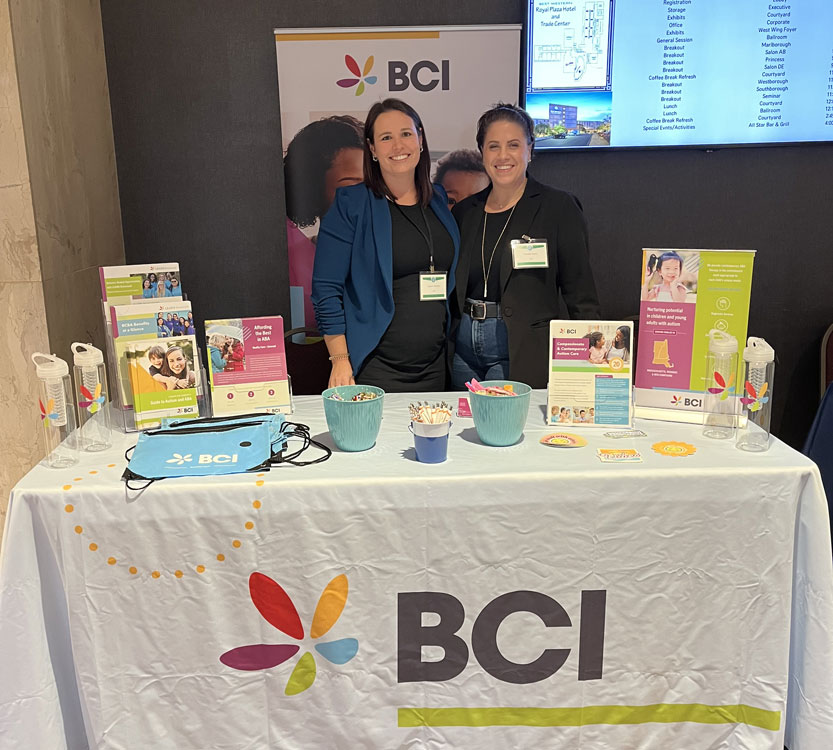
LEARN Behavioral participates in the MassABA Annual Conference as part of its commitment to the behavior analysis community in Massachusetts and the broader New England region. The LEARN team attends the conference each year to engage with the clinical, legislative, and professional issues shaping ABA practice in the Commonwealth, connect with fellow providers, and contribute to the community of behavior analysts who serve children and families across Massachusetts.
At the MassABA Annual Conference, LEARN Behavioral typically:
- Connects with BCBAs, educators, and ABA service providers across Massachusetts to share insights and best practices
- Engages with sessions focused on Massachusetts-specific legislative updates, insurance policy, and licensure
- Explores emerging research and clinical practice developments relevant to LEARN’s work with children with autism
- Supports career development opportunities for behavior analysts seeking to grow within a national ABA organization
- Participates in exhibiting and networking opportunities to share LEARN’s services and clinical approach with the Massachusetts ABA community
LEARN Behavioral’s involvement in the MassABA Annual Conference reflects its commitment to being an active, contributing member of the behavior analysis community in every state where it operates — not just a service provider, but a genuine participant in the professional ecosystem.
Who Attends the MassABA Annual Conference?
The MassABA Annual Conference draws a broad cross-section of the Massachusetts behavior analysis community. Attendees typically include:
- Licensed applied behavior analysts (LABAs) practicing in Massachusetts
- Board certified behavior analysts (BCBAs) and BCBA-Ds
- Board certified assistant behavior analysts (BCaBAs)
- Registered behavior technicians (RBTs)
- BCBAs working in public school settings across the Commonwealth
- Graduate students and doctoral candidates in ABA programs
- University faculty and researchers
- ABA therapy organizations and autism service providers
- Special education teachers and school administrators
- Advocates and policy professionals engaged with Massachusetts ABA legislation
- Representatives from insurance companies and state agencies involved in ABA coverage
MassABA’s membership structure includes full members (licensed applied behavior analysts in Massachusetts), associate members (practitioners from other states, related professionals, and family or community members), and student members, making the conference welcoming to professionals at every stage of their career.
Topics Discussed at the MassABA Annual Conference
What makes the MassABA Annual Conference distinct from broader national events is its grounding in the specific legislative, regulatory, and clinical realities of practicing behavior analysis in Massachusetts. Sessions consistently address the issues that matter most to BCBAs and ABA organizations operating in the Commonwealth.
Key topics consistently featured at the MassABA Annual Conference include:
- Massachusetts LABA licensure updates and the independent licensing board
- Insurance coverage requirements and advocacy for ABA services in the Commonwealth
- Compliance, audits, recoupments, and fraud prevention for ABA providers
- ABA in public school settings and supports for BCBAs working in Massachusetts school districts
- Evidence-based intervention and clinical best practices
- Diversity, equity, inclusion, and belonging (DEIB) in behavior analysis
- Ethics in ABA practice and supervision
- Telehealth delivery of ABA services and insurance coverage updates
- Research trends and innovations across autism services
- Staff supervision, training, and workforce development
- Expanding access to ABA services for people of all ages and abilities in Massachusetts
Past featured presenters have included nationally recognized figures such as Dr. Robert Horner, Alumni-Knight Endowed Professor of Special Education, alongside Massachusetts-based clinicians and policy experts who have addressed the most pressing issues facing local practitioners.
Why Should You Attend the MassABA Annual Conference?
For behavior analysts and ABA professionals practicing in Massachusetts, the MassABA Annual Conference offers a level of local relevance and practical applicability that broad national conferences cannot replicate. Specific reasons to attend include:
- Stay current on Massachusetts-specific licensure, insurance, and legislative developments that affect your practice
- Earn CEUs included with your registration at no additional cost
- Connect with over 700 fellow behavior analysts and ABA professionals from across the Commonwealth
- Engage with sessions on public school ABA, a unique and growing area of practice in Massachusetts
- Explore exhibitor and sponsor opportunities relevant to the Massachusetts ABA market
- Participate in a focused, single-day format designed to fit the schedule of working clinicians
- Contribute to the advocacy efforts that shape the future of ABA practice in Massachusetts
Highlights from Past MassABA Conferences
Since its founding in 2010, MassABA has built a track record of delivering a high-quality annual conference that addresses the issues facing behavior analysts in Massachusetts. Consistently drawing more than 700 attendees, the conference has evolved alongside the Commonwealth’s ABA community.
Past MassABA Annual Conference highlights include:
- Sessions on Massachusetts insurance mandate laws and ABA coverage, including practical guidance on responding to recoupments, audits, and fraud investigations
- Featured presentations from nationally recognized researchers and clinicians, including Dr. Robert Horner of the University of Oregon
- Updates from MassABA’s legislative committee on the ongoing effort to create an independent licensing board for behavior analysts in Massachusetts
- Dedicated content for BCBAs working in public school districts, addressing some of the most complex and underserved practice contexts in the Commonwealth
- DEIB-focused programming and MassABA’s active Diversity, Equity, Inclusion, and Belonging committee initiatives
- Continuing education (CE) series and workshops on successful ABA service delivery, telehealth, and expanding access to services
MassABA Annual Conference Key Takeaways
- The MassABA Annual Conference is the signature annual event of the Massachusetts Association for Applied Behavior Analysis, serving more than 1,100 members and drawing over 700 attendees each spring
- MassABA was founded in 2010 and is an affiliated chapter of ABAI, with a mission to support the science and practice of behavior analysis in Massachusetts
- The one-day format delivers a focused, high-value experience, including keynote programming, exhibiting, networking, and CEUs included with registration
- Topics reflect the specific legislative, regulatory, and clinical landscape of practicing ABA in Massachusetts, including licensure, insurance, public school settings, and DEIB
- LEARN Behavioral participates in the MassABA Annual Conference as an active member of the Massachusetts ABA community
FAQs: What People Ask About the MassABA Annual Conference
What is MassABA?
MassABA, the Massachusetts Association for Applied Behavior Analysis, is a trade organization founded in 2010 to represent the interests of behavior analysts in Massachusetts.
It is an affiliated chapter of the Association for Behavior Analysis International (ABAI) and serves more than 1,100 members across the Commonwealth. MassABA advocates on legislative and insurance issues, supports professional development, and hosts an annual conference as the centerpiece of its membership community.
What is the difference between MassABA and BABAT?
Both MassABA and BABAT (Massachusetts Professionals in Behavior Analysis) are Massachusetts-based ABA organizations, but they serve distinct purposes. Many Massachusetts behavior analysts are members of both organizations. The MassABA Annual Conference is typically a single-day spring event, while BABAT’s conference spans multiple days in the fall.
MassABA functions as a trade organization focused on advocacy, licensure, and insurance policy — representing behavior analysts’ professional and regulatory interests at the state level. BABAT operates as a chapter-based professional community with a broader clinical and research focus, hosting a multi-day annual conference each fall.
What does LABA stand for, and what does MassABA have to do with it?
LABA stands for Licensed Applied Behavior Analyst. It is the state license required to practice behavior analysis in Massachusetts. MassABA has been a leading advocate for strengthening the LABA licensure process in the Commonwealth, including ongoing efforts to establish an independent licensing board comprised exclusively of behavior analysts, rather than a multi-disciplinary board.
The MassABA Annual Conference regularly includes sessions covering licensure updates, and MassABA works directly with state legislators on ABA-related bills.
Is MassABA affiliated with ABAI?
Yes. MassABA is an affiliated chapter of the Association for Behavior Analysis International (ABAI), the world’s largest professional organization dedicated to the science and practice of behavior analysis.
This affiliation reflects MassABA’s commitment to upholding the standards and values of the broader behavior analysis field while addressing the specific needs of behavior analysts practicing in Massachusetts.
What membership types does MassABA offer?
MassABA offers three membership levels. Full membership is available to licensed applied behavior analysts (LABAs) in Massachusetts. Associate membership is open to practicing behavior analysts who are not licensed in Massachusetts, professionals from related fields, and family or community members.
Student membership is available for undergraduate or graduate students enrolled in ABA or related programs and is offered at a nominal annual fee. Organizations providing ABA services can become MassABA Organizational Sponsors and receive benefits, including discounted employee registrations for the annual conference and exhibitor access.
What is MassABA’s Public School Committee?
MassABA’s Public School Committee focuses specifically on the needs of BCBAs working in Massachusetts public school districts — one of the most complex and rapidly growing practice contexts in the state.
The committee partners with ACCEPT Collaborative to host a monthly Professional Practices Symposium for behavior analysts working in public schools, running throughout the school year.
The annual conference includes dedicated sessions addressing the unique challenges facing school-based BCBAs across the Commonwealth, including supervision structures, Individualized Education Plan (IEP) collaboration, and ethical practice in educational settings.
How does MassABA support insurance advocacy for ABA providers?
MassABA has been an active advocate for expanding and protecting insurance coverage for ABA services in Massachusetts. The organization has worked to inform its membership about ABA insurance mandate laws, the provider’s evolving role in the insurance landscape, and how to navigate audits, recoupments, and claim denials.
It has also collaborated with state insurance representatives, BABAT, and other stakeholders to push for timely reimbursement and fair coverage standards. The annual conference regularly features sessions on insurance policy and compliance in response to member needs.
How is the MassABA Conference different from ABAI or BABAT?
The ABAI Annual Convention is a global event covering the full breadth of behavior analysis science and practice across dozens of countries. BABAT’s conference is a multi-day regional event with a strong clinical and research focus, held each fall in Massachusetts.
The MassABA Annual Conference is a single-day spring event with a distinctly Massachusetts-centric lens, prioritizing licensure updates, state insurance policy, public school ABA, and advocacy for the Commonwealth’s behavior analyst community. It is the most locally focused ABA conference available to Massachusetts practitioners.