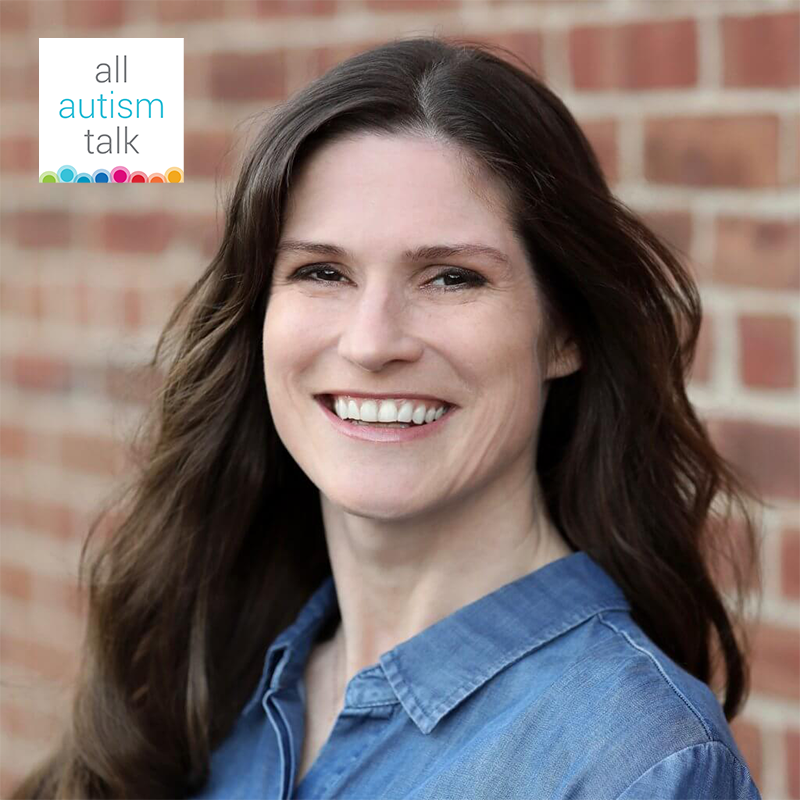
Out of the Archives: Female Life on the Spectrum with Jennifer Cook
September 11, 2026
September 11, 2026
NOW OPEN—Our NEW Roxbury Learning Center! Learn More



FEATURED POSTS




People often say that history is written by the victors. When the colonists won the American Revolution, they described the war as a noble struggle to escape tyranny. Had the British won, history books might have called it a heroic effort to save the empire from ungrateful rebels.
In the same way, most people in America are able-bodied, so they decide what is “normal.” For example, we might see an autistic brain or someone with poor eyesight (but stronger other senses) as less valuable. But really, these are just different ways of thinking and living.
For more than 60 million Americans with disabilities, this can be a challenge. They have to fit their lives into a world designed for able-bodied people, even though it would be easy to make the world work for everyone.
Contemporary treatments include the individual in planning when possible. Contemporary practices change in response to the voices of those who have received therapy in the past.
Ableism is when able-bodied people assume everyone is like them and fail to see the challenges people with disabilities face.
Ableism includes unfair ideas, such as thinking people with disabilities always need help, even if they don’t ask for it. Not all disabilities are visible, which can lead to wrong assumptions about mental illnesses being different from physical ones. These false beliefs make it harder for people with disabilities to be treated equally and included in society.

Applied behavior analysis (ABA) is widely regarded as the most effective treatment for autism, supported by decades of research. It isn’t a single therapy method. Instead, it’s a flexible approach that uses different techniques to help children build the skills they need to thrive at school and in daily life.
Recently, ABA has increasingly become the target of much controversy as self-advocates are speaking up about their experiences. They reject the idea that teaching people with autism the skills deemed necessary without their input or choice. Some advocates say independence is meaningless without happiness and that people with autism should choose their own goals, which might not include fitting in with others.
ABA, which is essentially the science of good teaching, has a long history and was originally developed in the 1960s by a group of researchers at the University of Washington. ABA was used to treat individuals with developmental disabilities and initially was a rigid, highly structured and teacher-directed program, which led to some of the negative experiences and associations with ABA. Historically, for example, ABA was used to reduce or eliminate “stimming” – repetitive physical movements and sounds that may soothe and reduce anxiety. We now better understand that stimming helps people with autism manage their sensory processing and their environments.
Just like in other areas of medicine and science, the field of ABA has advanced in a significant and meaningful way to become a play-based, naturalistic, family-focused and individualized, contemporary treatment that is tailored to the unique needs and goals of everyone. A good ABA program collects and reports data to show effectiveness. Providers must demonstrate success, validated by parents, through goals set with the family. If your provider doesn’t follow this approach, they may not be using best practices.
ABA now adapts to individual needs by learning from adults. While negative experiences must be addressed, dismissing ABA entirely overlooks its success for many. Good programs focus on the client, seek consent, and value input. Research and ask key questions when choosing a provider.

Your child’s program should be client-centered and future looking, which means that your family and relevant caregivers are providing input into your child’s strengths and challenges, and that you and your child are helping to guide the goals of his/her program based on your preferences and needs.
The science of ABA has a long history with decades of research to support its development and evolution. While ABA is most widely known in its application to autism, ABA was developed, and has been applied, to address many circumstances regarding behavior that matter to society. ABA is applied in many different areas, including mental health, animal training, organizational behavior management, marketing, forensics, sports, and physical health, to name a few. Just as other areas of science and medicine advance and application of treatments change, so has the field of ABA. Many lives have been impacted by ABA for the better. It is incumbent upon the professional community to listen, learn, and evolve its practice so that their services are as relevant and effective as possible. After all, the purpose of ABA is to help children with autism achieve the goals that matter most to them and their families — goals that foster growth, independence, and joy in their everyday lives.
What is Contemporary ABA therapy and how does this person-centered approach help children with
autism find success?
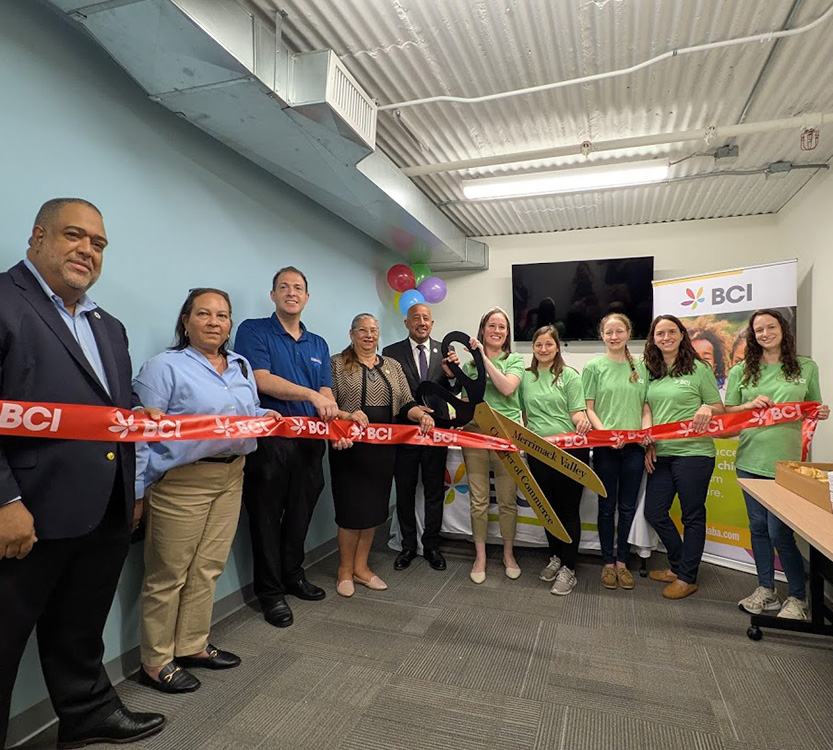
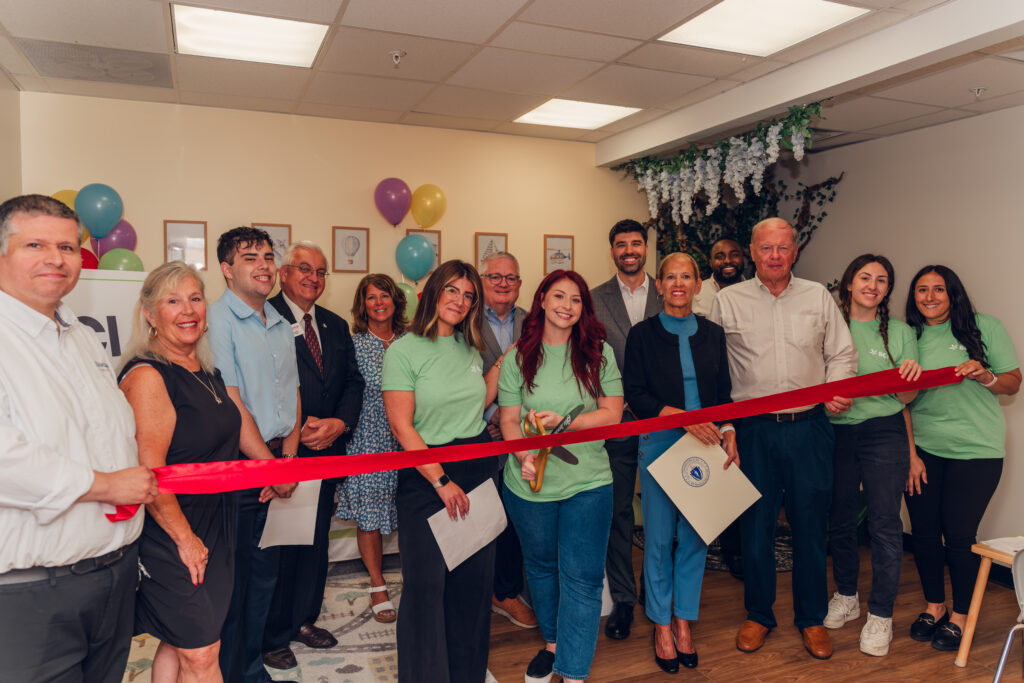
Behavioral Concepts (BCI), a provider of LEARN Behavioral, officially opened the doors of its new Fall River Learning Center with a ribbon-cutting ceremony on August 3, 2026.
Hosted by One SouthCoast Chamber of Commerce, the ribbon-cutting ceremony was held at BCI’s new location at 1151 Robeson St., Suite 101, Fall River, Massachusetts 02720.
During the ceremony, Massachusetts State Representative Carole Fiola and Maureen Flanagan of the Office of Senator Michael J. Rodrigues shared remarks. Fall River Mayor Paul Coogan and Mike O’Sullivan, CEO of One SouthCoast Chamber of Commerce, also shared remarks. Members of One SouthCoast Chamber and other guests were in attendance.
Ribbon-cutting attendees were able to tour the facility, enjoy light refreshments, and meet BCI’s leadership team: Abigail Godon, MS, BCBA, Center Director, and Aerin Parish-Toscano, MS, BCBA, LABA, Regional Clinical Director.
“Our Fall River Learning Center was built to help children grow at their own pace and learn alongside others,” said Abigail Godon, Center Director. “BCI is a place where children can build important skills—and begin their path toward success in school and life. We’re honored to be part of the Fall River community and grateful to offer these life-changing services right here.”
BCI is a leading contemporary applied behavior analysis (ABA) provider of center-based services for children with autism and Down syndrome. The Fall River Learning Center provides Early Intervention, center-based ABA therapy, diagnostic services, and parent education to children with autism ages 2-6. It also offers ABA services for individuals with Down syndrome, up to age 21. Outside the center, the Fall River team offers ABA support in the home and community settings.
“At BCI, our mission has always been simple: to give every child caring, proven support that helps them reach their full potential,” said Aerin Parish-Toscano, Regional Clinical Director. “We look forward to helping find success for every individual in our care.”
The center is now enrolling new clients in the South Coast region with no waitlist and flexible treatment hours.
Families are invited to a sensory-friendly fall carnival/open house at the Fall River Learning Center on September 11, 2026, from 4 to 6 pm. This event will feature sensory-friendly carnival-themed activities for the whole family to enjoy in a welcoming, inclusive environment.
For more information or to enroll a child at the Fall River Learning Center, call (774) 379-0442 or visit https://bciaba.com/locations/fall-river.
BCI, part of the LEARN Behavioral network, is one of the nation’s leading providers of compassionate autism care. For more than 20 years, BCI has been delivering evidence-based services, helping children with autism and Down syndrome find success and reach their unique potential.
In addition to the Fall River Learning Center, BCI has existing center-based ABA therapy Learning Centers in Beverly, Brockton, Fitchburg, Framingham, Lawrence, Littleton, Lowell, Newton, New Bedford, Quincy, Roxbury, Springfield, Sturbridge, Taunton, Wilmington, two locations in Worcester, MA, and a location in Nashua, NH.
LEARN Behavioral is a national leader in autism treatment, offering comprehensive diagnostic services and contemporary applied behavior analysis (ABA) therapy for children with autism spectrum disorder (ASD). With a nationwide network of ABA providers and more than 100 Learning Centers across the country, LEARN delivers the highest standard of evidence-based care—customized to meet the unique needs and interests of each child and family. For more information, visit learnbehavioral.com.
Behavioral Concepts (BCI), a provider of LEARN Behavioral, officially opened the doors of its new Littleton Learning Center with a ribbon-cutting ceremony on July 29, 2026.
Hosted by Nashoba Valley Chamber of Commerce, the ribbon-cutting ceremony was held at BCI’s new location at 295 Foster Street, Suite 130, Littleton, Massachusetts 01460.
During the ceremony, Melissa Fetterhoff, President of Nashoba Valley Chamber of Commerce, and Massachusetts State Representative James Arciero shared greetings and remarks. Gary Wilson of the Littleton Select Board and Lyn Snow, Director of Student Services for Littleton Public Schools, also shared remarks. Members of the Nashoba Valley Chamber of Commerce and other guests were in attendance.
Ribbon-cutting attendees were able to tour the facility, enjoy light refreshments, and meet Katherine Connolly, M.A., BCBA, LABA, Regional Clinical Director of BCI Littleton, and her team of board certified behavior analysts (BCBAs) and behavior technicians.
“BCI is excited to bring compassionate, high-quality ABA therapy to families in the greater Littleton area,” said Katherine Connolly, Regional Clinical Director. “We tailor our services to each child and family, providing engaging, evidence-based care in an environment designed to help children build skills, confidence, and independence.”
BCI is a leading contemporary applied behavior analysis (ABA) provider of center-based and in-home autism services for children with autism and Down syndrome. The Littleton Learning Center provides Early Intervention, center-based and in-home ABA therapy, Social Skills Programs, and parent education to children with autism and Down syndrome.
“At BCI, our mission has always been simple: to provide every child with compassionate, evidence-based care that helps them reach their fullest potential,” said Tiffany Zayas, Senior Regional Clinical Director. “We look forward to helping find success for every child in our care.”
The Littleton Learning Center is enrolling new clients based in Littleton and surrounding towns, with no waitlist and flexible treatment hours. The center is conveniently located near I-495 and Route 2, and accessible by public transportation.

Families are invited to a sensory-friendly ice cream social/open house at the Littleton Learning Center on September 19, 2026, from 2 to 4 pm. This event will feature free ice cream, an opportunity to meet the team, and a calm and welcoming space to visit with other families.
For more information or to enroll a child at BCI in Littleton, call (508) 363-0200 or visit https://bciaba.com/locations/littleton
BCI, part of the LEARN Behavioral network, is one of the nation’s leading providers of compassionate autism care. For more than 20 years, BCI has been delivering evidence-based services, helping children with autism and Down syndrome find success and reach their unique potential.
In addition to the Littleton Learning Center, BCI has existing center-based ABA therapy Learning Centers in Beverly, Brockton, Fall River, Fitchburg, Framingham, Lawrence, Lowell, Newton, New Bedford, Quincy, Roxbury, Springfield, Sturbridge, Taunton, Wilmington, two locations in Worcester, MA, and a location in Nashua, NH.
LEARN Behavioral is a national leader in autism treatment, offering comprehensive diagnostic services and contemporary applied behavior analysis (ABA) therapy for children with autism spectrum disorder (ASD). With a nationwide network of ABA providers and more than 100 Learning Centers across the country, LEARN delivers the highest standard of evidence-based care—customized to meet the unique needs and interests of each child and family. For more information, visit learnbehavioral.com.
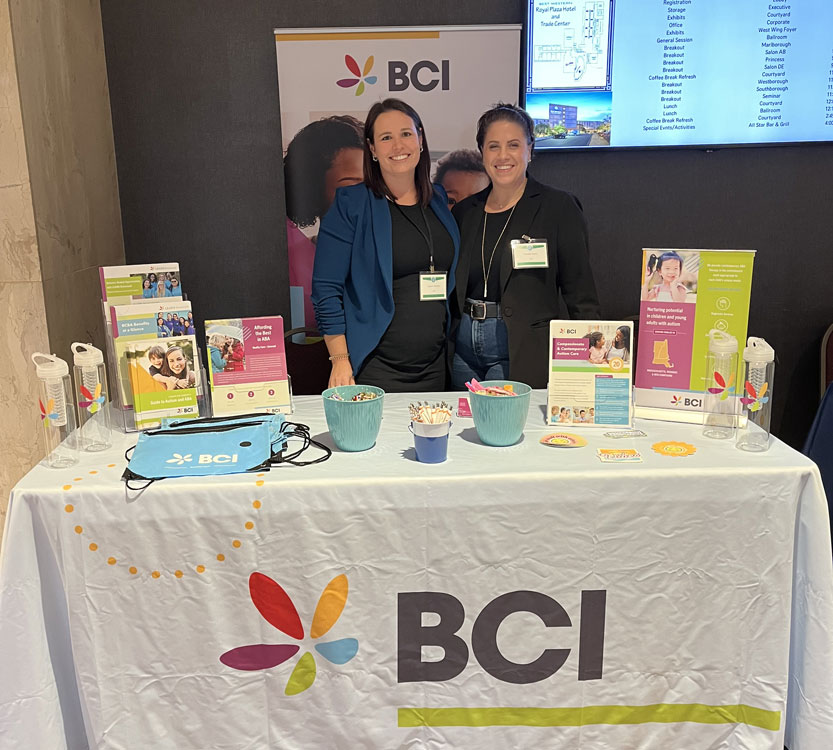
The MassABA Annual Conference is the flagship event of the Massachusetts Association for Applied Behavior Analysis (MassABA), a trade organization representing the interests of behavior analysts across the Commonwealth. Founded in 2010, MassABA is an affiliated chapter of the Association for Behavior Analysis International (ABAI) and is dedicated to providing educational opportunities and advocacy for professionals who provide behavior-analytic services in any capacity.
Each year, the MassABA Annual Conference brings together behavior analysts, educators, researchers, and ABA service providers from across Massachusetts and beyond for a full day of professional development, continuing education, and community. The conference is the signature connection between MassABA and its more than 1,100 members — and has historically drawn over 700 participants.
Massachusetts is home to one of the highest concentrations of certified behavior analysts per capita in the world, with more than 4,500 BACB-certificants in the Commonwealth. The MassABA Annual Conference reflects the depth of the professional community, offering a focused, content-rich event that speaks directly to the issues shaping ABA practice in Massachusetts.
The MassABA Annual Conference is typically held each spring, most often in May. The event is generally held at the Best Western Royal Plaza Hotel and Trade Center in Marlborough, Massachusetts, a centrally located venue accessible from Boston and across the Commonwealth.
Attendees are encouraged to check the official MassABA events page for the most current schedule and registration details.
LEARN Behavioral participates in the MassABA Annual Conference as part of its commitment to the behavior analysis community in Massachusetts and the broader New England region. The LEARN team attends the conference each year to engage with the clinical, legislative, and professional issues shaping ABA practice in the Commonwealth, connect with fellow providers, and contribute to the community of behavior analysts who serve children and families across Massachusetts.
At the MassABA Annual Conference, LEARN Behavioral typically:
LEARN Behavioral’s involvement in the MassABA Annual Conference reflects its commitment to being an active, contributing member of the behavior analysis community in every state where it operates — not just a service provider, but a genuine participant in the professional ecosystem.
The MassABA Annual Conference draws a broad cross-section of the Massachusetts behavior analysis community. Attendees typically include:
MassABA’s membership structure includes full members (licensed applied behavior analysts in Massachusetts), associate members (practitioners from other states, related professionals, and family or community members), and student members, making the conference welcoming to professionals at every stage of their career.
What makes the MassABA Annual Conference distinct from broader national events is its grounding in the specific legislative, regulatory, and clinical realities of practicing behavior analysis in Massachusetts. Sessions consistently address the issues that matter most to BCBAs and ABA organizations operating in the Commonwealth.
Key topics consistently featured at the MassABA Annual Conference include:
Past featured presenters have included nationally recognized figures such as Dr. Robert Horner, Alumni-Knight Endowed Professor of Special Education, alongside Massachusetts-based clinicians and policy experts who have addressed the most pressing issues facing local practitioners.
For behavior analysts and ABA professionals practicing in Massachusetts, the MassABA Annual Conference offers a level of local relevance and practical applicability that broad national conferences cannot replicate. Specific reasons to attend include:
Since its founding in 2010, MassABA has built a track record of delivering a high-quality annual conference that addresses the issues facing behavior analysts in Massachusetts. Consistently drawing more than 700 attendees, the conference has evolved alongside the Commonwealth’s ABA community.
Past MassABA Annual Conference highlights include:
MassABA, the Massachusetts Association for Applied Behavior Analysis, is a trade organization founded in 2010 to represent the interests of behavior analysts in Massachusetts.
It is an affiliated chapter of the Association for Behavior Analysis International (ABAI) and serves more than 1,100 members across the Commonwealth. MassABA advocates on legislative and insurance issues, supports professional development, and hosts an annual conference as the centerpiece of its membership community.
Both MassABA and BABAT (Massachusetts Professionals in Behavior Analysis) are Massachusetts-based ABA organizations, but they serve distinct purposes. Many Massachusetts behavior analysts are members of both organizations. The MassABA Annual Conference is typically a single-day spring event, while BABAT’s conference spans multiple days in the fall.
MassABA functions as a trade organization focused on advocacy, licensure, and insurance policy — representing behavior analysts’ professional and regulatory interests at the state level. BABAT operates as a chapter-based professional community with a broader clinical and research focus, hosting a multi-day annual conference each fall.
LABA stands for Licensed Applied Behavior Analyst. It is the state license required to practice behavior analysis in Massachusetts. MassABA has been a leading advocate for strengthening the LABA licensure process in the Commonwealth, including ongoing efforts to establish an independent licensing board comprised exclusively of behavior analysts, rather than a multi-disciplinary board.
The MassABA Annual Conference regularly includes sessions covering licensure updates, and MassABA works directly with state legislators on ABA-related bills.
Yes. MassABA is an affiliated chapter of the Association for Behavior Analysis International (ABAI), the world’s largest professional organization dedicated to the science and practice of behavior analysis.
This affiliation reflects MassABA’s commitment to upholding the standards and values of the broader behavior analysis field while addressing the specific needs of behavior analysts practicing in Massachusetts.
MassABA offers three membership levels. Full membership is available to licensed applied behavior analysts (LABAs) in Massachusetts. Associate membership is open to practicing behavior analysts who are not licensed in Massachusetts, professionals from related fields, and family or community members.
Student membership is available for undergraduate or graduate students enrolled in ABA or related programs and is offered at a nominal annual fee. Organizations providing ABA services can become MassABA Organizational Sponsors and receive benefits, including discounted employee registrations for the annual conference and exhibitor access.
MassABA’s Public School Committee focuses specifically on the needs of BCBAs working in Massachusetts public school districts — one of the most complex and rapidly growing practice contexts in the state.
The committee partners with ACCEPT Collaborative to host a monthly Professional Practices Symposium for behavior analysts working in public schools, running throughout the school year.
The annual conference includes dedicated sessions addressing the unique challenges facing school-based BCBAs across the Commonwealth, including supervision structures, Individualized Education Plan (IEP) collaboration, and ethical practice in educational settings.
MassABA has been an active advocate for expanding and protecting insurance coverage for ABA services in Massachusetts. The organization has worked to inform its membership about ABA insurance mandate laws, the provider’s evolving role in the insurance landscape, and how to navigate audits, recoupments, and claim denials.
It has also collaborated with state insurance representatives, BABAT, and other stakeholders to push for timely reimbursement and fair coverage standards. The annual conference regularly features sessions on insurance policy and compliance in response to member needs.
The ABAI Annual Convention is a global event covering the full breadth of behavior analysis science and practice across dozens of countries. BABAT’s conference is a multi-day regional event with a strong clinical and research focus, held each fall in Massachusetts.
The MassABA Annual Conference is a single-day spring event with a distinctly Massachusetts-centric lens, prioritizing licensure updates, state insurance policy, public school ABA, and advocacy for the Commonwealth’s behavior analyst community. It is the most locally focused ABA conference available to Massachusetts practitioners.
Flexible Hours for Worcester County Families
Behavioral Concepts (BCI), a provider of LEARN Behavioral, is proud to announce the grand opening of its new Sturbridge Learning Center at 179 Main Street, Suite 2, Sturbridge, MA 01566.
BCI is Sturbridge’s premiere contemporary applied behavior analysis (ABA) provider of
center-based autism services for children ages 1-12 years. The Sturbridge Learning Center provides center-based ABA therapy, in-home ABA therapy, parent education, diagnostics, Early Intervention, and social skills.
The Sturbridge Learning Center also features an innovative Launchpad Learning Program, which focuses on children with autism ages 3 to 5 who are ready to transition from a one-on-one learning environment to a group setting to help prepare them for school. With Launchpad, half the day involves group activities with a 3:1 staff-child ratio, developing team skills and independence, and the other half of the day focuses on individual instruction, addressing personal growth areas.
“We are excited to have the opportunity to partner with new families by expanding our services in Worcester County,” said Annaleisa Delgado, BCBA, LABA, Regional Clinical Director for the Sturbridge Learning Center. “We value being a part of the Sturbridge community and look forward to collaborating with fellow organizations and professionals to help find success for every child in our care.”
The center is now enrolling new clients based in Webster, Dudley, Southbridge, Sturbridge, the Brookfields, Ware, Spenser, Charlton, Brimfield, Warren, and beyond, with flexible treatment hours.
For more information or to enroll a child at the Sturbridge Learning Center, call 508-363-0200 or visit https://bciaba.com/locations/sturbridge
BCI, part of the LEARN Behavioral network, is one of the nation’s leading providers of compassionate autism care. For more than 20 years, BCI has been delivering evidence-based services, helping children with autism find success and reach their unique potential.
The Sturbridge Learning Center is BCI’s fifteenth center-based ABA therapy location, with existing Learning Centers in Beverly, Brockton, Fitchburg, Framingham, Lawrence, Lowell, New Bedford, Newton, Springfield, Taunton, Wilmington, two locations in Worcester, MA, and one location in Nashua, NH.
LEARN Behavioral is a national leader in autism treatment, offering comprehensive diagnostic services and contemporary applied behavior analysis (ABA) therapy for children with autism spectrum disorder (ASD). With a nationwide network of ABA providers and more than 100 Learning Centers across the country, LEARN delivers the highest standard of evidence-based care—customized to meet the unique needs and interests of each child and family. For more information, visit learnbehavioral.com.
No Waitlist and Flexible Hours for Essex County Area Families
Behavioral Concepts (BCI), a provider of LEARN Behavioral, has recently opened the doors of their new Learning Center at 360 Merrimack Street, Suite 132, Lawrence, MA 01843.
BCI is Lawrence’s premiere contemporary applied behavior analysis (ABA) provider of center-based autism services for children ages 2-6 years. The new Lawrence Learning Center provides parent education, diagnostics, Early Intervention, center-based ABA therapy, and in-home ABA therapy.
A ribbon-cutting ceremony with the Merrimack Valley Chamber of Commerce was held on June 23, 2025. During the ceremony, Ana Levy, Councilor at Large, City of Lawrence, offered greetings and remarks. State Representative Francisco Paulino, Mayor Brian A. DePeña, Michael Bevilacqua, President/CEO of Merrimack Valley Chamber of Commerce, and District Director Marina Acosta from Senator Pavel Payano’s office attended, along with a number of city council members, school committee members, and Merrimack Valley Chamber of Commercemembers.
Official citations were presented to the BCI leadership team by Merrimack Valley Chamber of Commerce President/CEO Michael Bevilacqua and Chairman Michael Sullivan, the Lawrence City Council representatives, and the City of Lawrence Mayor Brian A. DePena.
Ribbon-cutting attendees had an opportunity to tour the facility and meet BCI’s leadership team, Meghan Van Nostrand, Ph.D., LABA, BCBA-D, Senior Regional Clinical Director and Ashley Williams, Ph.D., BCBA-D, LABA, Vice President.
“We are excited to open our doors and bring compassionate, contemporary ABA therapy for children with autism spectrum disorder to families in Essex County and beyond,” said Meghan Van Nostrand, Senior Regional Clinical Director at BCI. “We value being a part of the Lawrence community and look forward to collaborating with fellow organizations and professionals to help find success for every child in our care.”
The new Lawrence Learning Center provides center-based contemporary ABA therapy, as well as family treatment guidance and assessment in the city of Lawrence. There are very few ABA centers in Lawrence. The Learning Center serves children 2- 6 years old with personalized therapy plans.
With no waitlist and flexible treatment hours to accommodate busy family schedules, the center is now enrolling new clients in the Essex County area and beyond.
BCI, part of the LEARN Behavioral network, is one of the nation’s leading providers of compassionate autism care. For more than 20 years, BCI has been delivering evidence-based services, helping children with autism find success and reach their unique potential.
The Lawrence Learning Center is BCI’s fourteenth center-based ABA therapy location, with existing Learning Centers in Beverly, Brockton, Fitchburg, Framingham, Lowell, New Bedford, Newton, Springfield, Taunton, Wilmington, two locations in Worcester, MA, and a location in Nashua, NH.
For more information or to enroll a child at the Lawrence Learning Center, call 508-281-9411 or visit https://bciaba.com/locations/lawrence
The specified gallery is trashed.
LEARN Behavioral is a national leader in autism treatment, offering comprehensive diagnostic services and contemporary applied behavior analysis (ABA) therapy for children with autism spectrum disorder (ASD). With a nationwide network of ABA providers and more than 100 Learning Centers across the country, LEARN delivers the highest standard of evidence-based care—customized to meet the unique needs and interests of each child and family. For more information, visit learnbehavioral.com.
People often say that history is written by the victors. When the colonists won the American Revolution, they described the war as a noble struggle to escape tyranny. Had the British won, history books might have called it a heroic effort to save the empire from ungrateful rebels.
In the same way, most people in America are able-bodied, so they decide what is “normal.” For example, we might see an autistic brain or someone with poor eyesight (but stronger other senses) as less valuable. But really, these are just different ways of thinking and living.
For more than 60 million Americans with disabilities, this can be a challenge. They have to fit their lives into a world designed for able-bodied people, even though it would be easy to make the world work for everyone.
Contemporary treatments include the individual in planning when possible. Contemporary practices change in response to the voices of those who have received therapy in the past.
Ableism is when able-bodied people assume everyone is like them and fail to see the challenges people with disabilities face.
Ableism includes unfair ideas, such as thinking people with disabilities always need help, even if they don’t ask for it. Not all disabilities are visible, which can lead to wrong assumptions about mental illnesses being different from physical ones. These false beliefs make it harder for people with disabilities to be treated equally and included in society.
Applied behavior analysis (ABA) is widely regarded as the most effective treatment for autism, supported by decades of research. It isn’t a single therapy method. Instead, it’s a flexible approach that uses different techniques to help children build the skills they need to thrive at school and in daily life.
Recently, ABA has increasingly become the target of much controversy as self-advocates are speaking up about their experiences. They reject the idea that teaching people with autism the skills deemed necessary without their input or choice. Some advocates say independence is meaningless without happiness and that people with autism should choose their own goals, which might not include fitting in with others.
ABA, which is essentially the science of good teaching, has a long history and was originally developed in the 1960s by a group of researchers at the University of Washington. ABA was used to treat individuals with developmental disabilities and initially was a rigid, highly structured and teacher-directed program, which led to some of the negative experiences and associations with ABA. Historically, for example, ABA was used to reduce or eliminate “stimming” – repetitive physical movements and sounds that may soothe and reduce anxiety. We now better understand that stimming helps people with autism manage their sensory processing and their environments.
Just like in other areas of medicine and science, the field of ABA has advanced in a significant and meaningful way to become a play-based, naturalistic, family-focused and individualized, contemporary treatment that is tailored to the unique needs and goals of everyone. A good ABA program collects and reports data to show effectiveness. Providers must demonstrate success, validated by parents, through goals set with the family. If your provider doesn’t follow this approach, they may not be using best practices.
ABA now adapts to individual needs by learning from adults. While negative experiences must be addressed, dismissing ABA entirely overlooks its success for many. Good programs focus on the client, seek consent, and value input. Research and ask key questions when choosing a provider.
Your child’s program should be client-centered and future looking, which means that your family and relevant caregivers are providing input into your child’s strengths and challenges, and that you and your child are helping to guide the goals of his/her program based on your preferences and needs.
The science of ABA has a long history with decades of research to support its development and evolution. While ABA is most widely known in its application to autism, ABA was developed, and has been applied, to address many circumstances regarding behavior that matter to society. ABA is applied in many different areas, including mental health, animal training, organizational behavior management, marketing, forensics, sports, and physical health, to name a few. Just as other areas of science and medicine advance and application of treatments change, so has the field of ABA. Many lives have been impacted by ABA for the better. It is incumbent upon the professional community to listen, learn, and evolve its practice so that their services are as relevant and effective as possible. After all, the purpose of ABA is to help children with autism achieve the goals that matter most to them and their families — goals that foster growth, independence, and joy in their everyday lives.
March is Women’s History Month. It’s a time to celebrate the accomplishments of women in all walks of life.
In the area of autism and contemporary applied behavior analysis (ABA) therapy, many women have made a lasting mark. They’ve broken barriers. They’ve conducted significant research, and they’ve paved the way for better understanding and treatment of autism.
Today, we spotlight seven women who have shown us what it means to lead with passion, dedication, and commitment. They are making a difference, and their work continues to inspire future generations of women in the field.
Temple Grandin, Ph.D., is a name synonymous with autism advocacy. Born in 1947, she was diagnosed with autism in early childhood. Despite the challenges, she went on to become an esteemed academic and animal behaviorist. She has gained recognition for writing books and delivering speeches on autism and animal behavior. Today, she is a professor of animal science at Colorado State University.
Greta Thunberg is a Swedish environmental activist. She has gained global recognition for her efforts to fight climate change. She’s also known for being openly autistic. She has referred to her autism as her “superpower,” and has discussed how it has helped her in her activism by allowing her to focus intensely on topics that interest her. Greta has used her platform to advocate for acceptance and understanding of autism. On her Facebook page, she identifies herself as an “Autistic climate justice activist.”
Breanna Clark is an American Paralympic athlete who was diagnosed with autism at age 4. She competes in T20 category races, a classification for athletes with intellectual impairments. She has represented athletes with autism on an international stage. Off the track, she’s been an advocate and role model for people with autism.
Ronit Molko, Ph.D., BCBA-D, is another luminary in the field. She is a thought leader and subject matter expert in autism spectrum disorder, developmental disabilities, and behavioral healthcare. She co-founded Autism Spectrum Therapies (acquired by Learn It Systems) and is a LEARN Behavioral board member. In this All Autism Talk podcast, she talks about how ongoing research is helping us better understand the unique challenges girls with autism face.
Devon Sundberg, MS, BCBA, co-founded the Behavior Analysis Center for Autism (BACA). She has made significant contributions to the field of behavior analysis, both through her work at BACA and as the founder of the Women in Behavior Analysis conference. In this All Autism Talk podcast, she shares how raising three daughters helped open her eyes to how gendered life can be — and about the need for more women in the autism field.
Hanna Rue, Ph.D., BCBA-D, is chief clinical officer for LEARN Behavioral. Her research interests are broad and include the identification of evidence-based practices for the treatment of autism. Her influence in the field of autism is evident in her wide-ranging work that spans clinical care, research, and advocacy. She has made significant contributions to STEM fields, sharing her insights through various platforms, including top-performing podcast episodes about autism, and extending her influence and reach in the autism community.
Sabrina Daneshvar, Ph.D., BCBA-D, serves as the senior vice president of clinical services at LEARN Behavioral. Her research interests include video modeling and teaching social skills. This work has contributed to developing innovative strategies for improving social skills in children with autism. Sabrina has also taught, mentored, and trained many graduate students pursuing their degrees.
These are just a few women who have helped to shape the field of autism and ABA therapy. Their work underscores the importance of early intervention, peer support, and recognizing the diverse signs and symptoms of autism in girls and women.
We celebrate these women and everyone who has made contributions to advance our understanding of autism. They provide hope and inspiration to countless families across the world affected by it.
The sudden disruption in routine due to COVID-19 is challenging for all individuals to manage as we adjust to a new, and hopefully short-lived, normal of staying at home and ceasing most of our regular activities. For families of individuals with autism and other disabilities, the disruption can be especially challenging.
Resources Discussed:
Cosmic Kids Yoga: https://www.youtube.com/CosmicKidsYoga
Raz Kids: https://www.raz-kids.com/
Epic: https://www.getepic.com/
Prodigy: https://www.prodigygame.com/
DreamBox: https://www.dreambox.com/
Out School: https://outschool.com/
Story Time from Space: https://storytimefromspace.com/library/
Bark: https://www.bark.us/
For more helpful tips and resources, sign up for our Parent Newsletter at learnbehavioral.com/parentresources.
All Autism Talk (allautismtalk.com) is sponsored by LEARN Behavioral (learnbehavioral.com).
The sudden disruption in routine due to COVID-19 is challenging for all individuals to manage as we adjust to a new, and hopefully short-lived, normal of staying at home and ceasing most of our regular activities. For families of individuals with autism and other disabilities, the disruption can be especially challenging.
Richie has a conversation with Katherine Johnson, BCBA and founder of Advances Learning Center to share helpful tips and resources for you and family during this time.
Katherine has a Master of Arts degree in Behavior Disorders and Applied Behavior Analysis from Columbia University Teachers College and is a Board Certified Behavior Analyst (Charter Certificant). Katherine has taught in both private and public schools at pre-school and elementary levels and has provided educational consultation services to public schools and home programs. She has taught undergraduate behavior analysis courses at Northeastern University and graduate level courses at Simmons College, has provided parent training through the May Institute, and is on the Advisory Board for the undergraduate psychology program in Applied Behavior Analysis at Regis College. Katherine also currently serves as Vice President of MassCAP.
Resources Discussed:
Go Noodle: https://www.gonoodle.com/
Privilege Points: http://www.privilegepoints.com/
For more helpful tips and resources, sign up for our Parent Newsletter at LearnBehavioral.com/parentresources.
All Autism Talk (allautismtalk.com) is sponsored by LEARN Behavioral (learnbehavioral.com).